
 Business License
Stainless Steel Wire Mesh Weave Types: Plain, Twill & Dutch Weave Explained
Stainless Steel Wire Mesh Weave Types: Plain, Twill & Dutch Weave Explained
Choosing the right stainless steel wire mesh cloth is not only about grade — 304, 316, or 316L. The weave type determines filtration accuracy, mechanical strength, flow resistance, and service life. Two meshes with the same mesh count can perform completely differently if one is plain weave and the other is twill or Dutch weave.
This guide explains the three most common weave structures, how they differ, and how to select the right one for filtration, screening, architecture, and industrial applications.
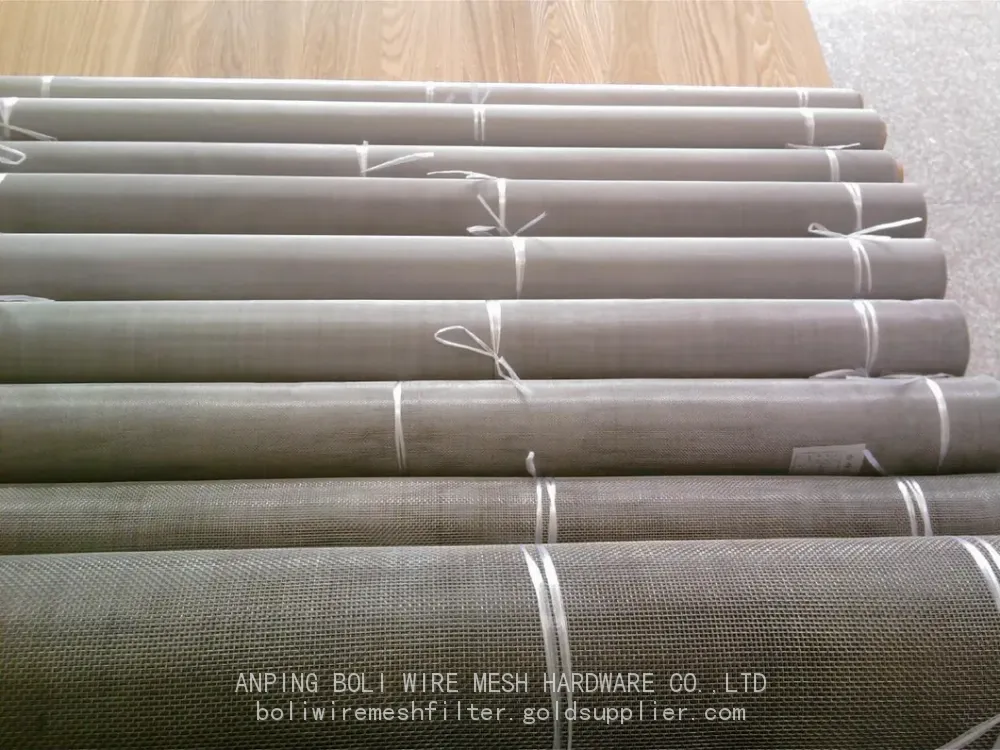
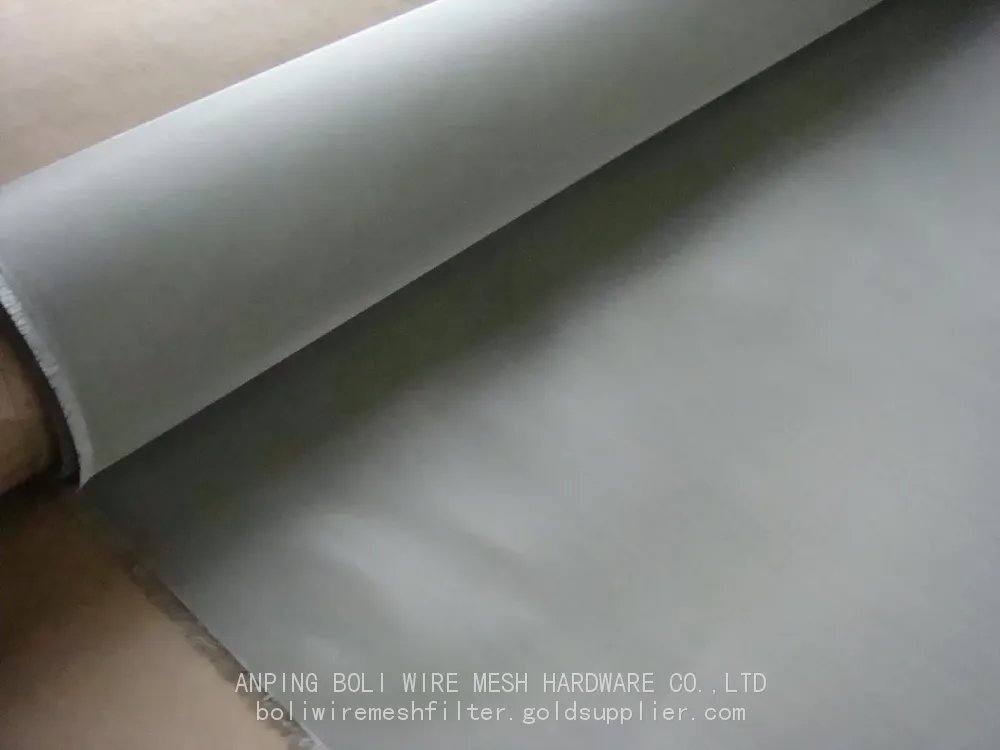
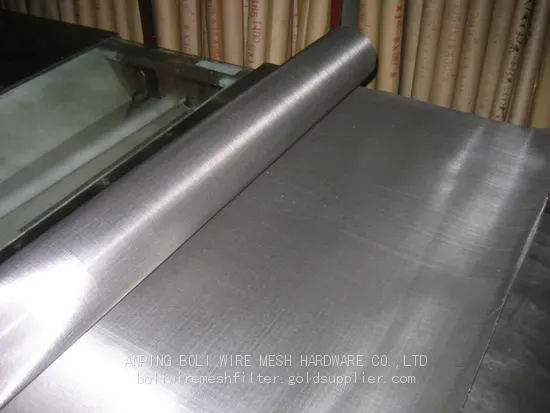
Stainless steel wire mesh cloth rolls ready for shipment
Why Weave Type Matters in Wire Mesh Selection
Stainless steel woven wire cloth is produced on precision looms that interlace warp and weft wires. The pattern of interlacing — the weave — controls:
Aperture size and distribution
Filtration rating in microns
Open area percentage
Tensile strength and rigidity
Resistance to deformation under pressure
For filter manufacturers, the weave type directly affects dirt-holding capacity, backwash performance, and particle retention efficiency. For architectural mesh, it influences transparency, wind load, and visual appearance.
In short: grade determines corrosion resistance. Weave determines performance.
1. Plain Weave Stainless Steel Wire Mesh
Plain weave is the most widely used structure. Each warp wire passes alternately over and under each weft wire — a simple one-over, one-under pattern.
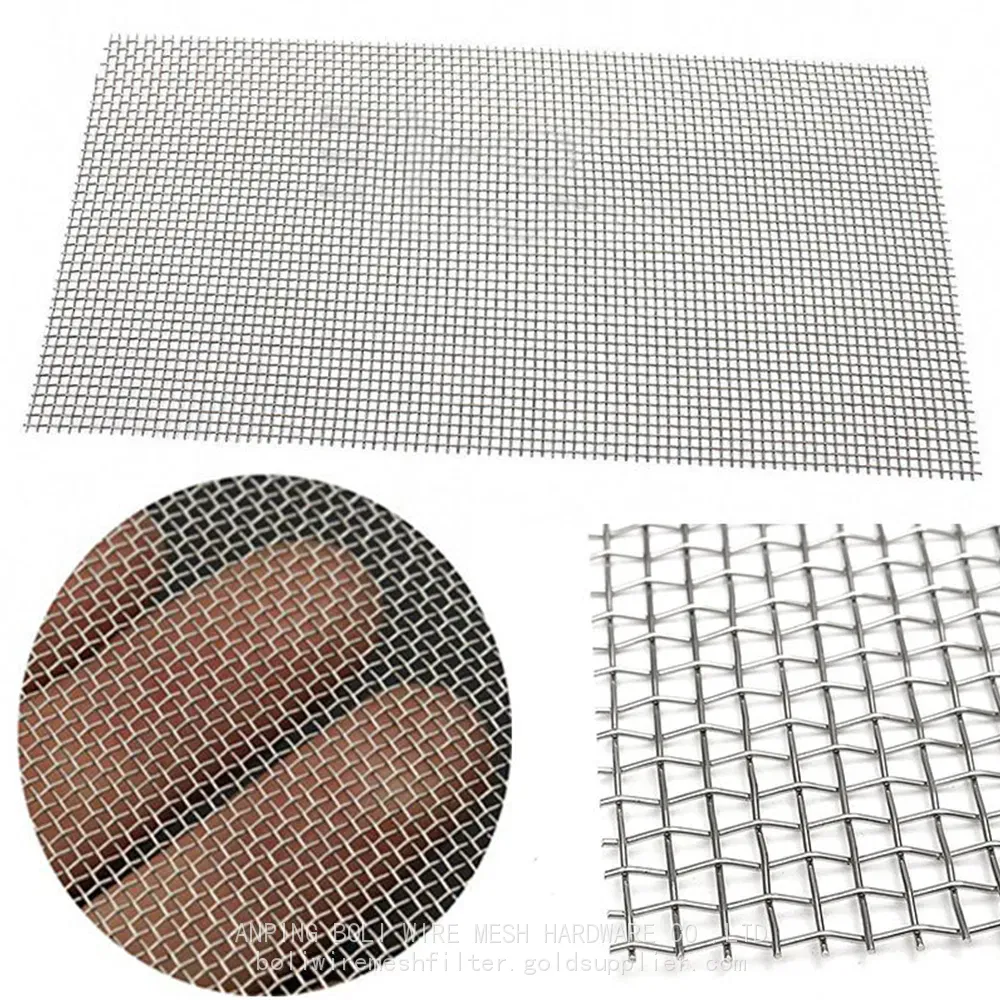
Plain weave stainless steel wire mesh close-up showing square openings
Suggested file name: plain-weave-stainless-steel-wire-mesh
Key Features of Plain Weave
Square and uniform openings
Mesh range: 1 mesh to 635 mesh
Good flow rate with relatively high open area
Lower production cost than twill or Dutch weave
Easy to clean and inspect
Best Applications
General filtration and screening
Food and pharmaceutical sieving
Architectural infill panels
Safety guards and machine protection
Test sieves and grading screens
Limitations
At very high mesh counts, plain weave requires extremely thin wires, which reduces mechanical strength. If you need fine filtration with strong wires, twill weave or Dutch weave is usually a better choice.
2. Twill Weave Stainless Steel Wire Mesh
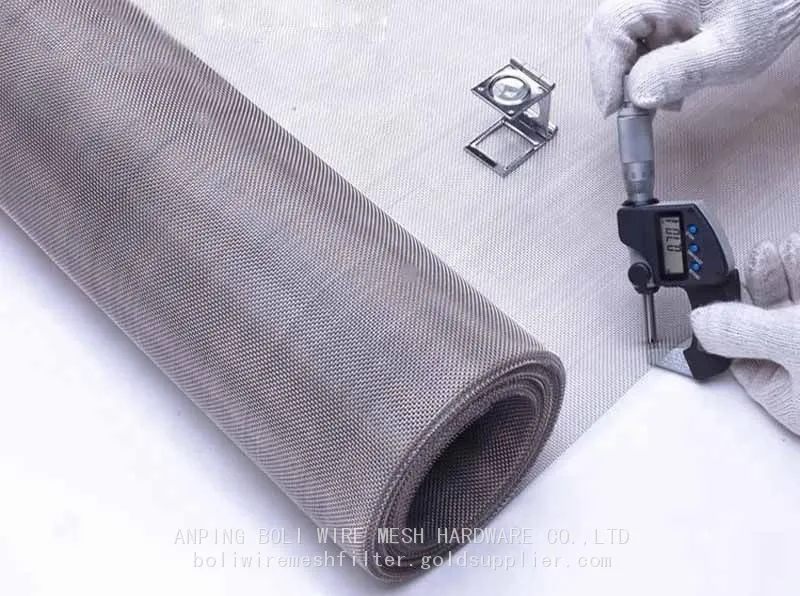
Twill weave uses a two-over, two-under pattern. This allows larger wire diameters to be used at the same mesh count compared with plain weave.
Stronger than plain weave at the same mesh count
Better wire stability under pressure
Finer filtration possible with thicker wires
Slightly lower open area than plain weave
Often used in high-pressure filter elements
Best Applications
Fine chemical filtration
Polymer and plastic extrusion screens
Hydraulic filter meshes
Aerospace and fuel filtration
High-strength screening where plain weave would deform
Plain Weave vs Twill Weave: Quick Comparison
| Feature | Plain Weave | Twill Weave |
|---|---|---|
| Pattern | 1 over, 1 under | 2 over, 2 under |
| Wire diameter at same mesh | Thinner | Thicker |
| Mechanical strength | Moderate | Higher |
| Open area | Higher | Slightly lower |
| Typical mesh range | 1–635 | 1–500+ |
| Best for | General filtration | High-pressure & fine filtration |
Data based on common industrial wire cloth specifications.
3. Dutch Weave Stainless Steel Wire Mesh
Dutch weave is a special structure where warp wires are packed tightly together while weft wires are woven in a different pattern. This creates very small triangular or irregular openings, making Dutch weave ideal for fine filtration.
There are two main types:
Plain Dutch Weave
Plain Dutch weave uses a plain pattern with many warp wires per inch. It is available from approximately 12×64 mesh to 80×700 mesh. It offers good filtration accuracy and moderate flow.
Twill Dutch Weave
Twill Dutch weave uses a twill pattern to pack even more wires into the cloth. It can reach 20×250 mesh up to 400×2800 mesh and is used for the finest filtration duties.
Key Features of Dutch Weave
Very fine filtration ratings, often measured in microns
High dirt-holding capacity
Strong structure under high differential pressure
Lower open area than plain or twill weave
Excellent for backwash and reusable filter elements
Best Applications
Hydraulic oil filtration
Fuel and lubricant filtration
Polymer screen packs
Water treatment pre-filters
Chemical process filtration
High-pressure filter cartridges
Important: Dutch weave is not rated by mesh count alone. The filtration rating depends on the combination of warp and weft wire diameters. Always request a micron rating and bubble-point test data if precision filtration is required.
How to Calculate Wire Mesh Aperture
For plain and twill weave, the nominal aperture can be estimated with:
Aperture (mm) = 25.4 / Mesh Count − Wire Diameter (mm)
Example:
A 100 mesh cloth with 0.10 mm wire has an aperture of:
25.4 / 100 − 0.10 = 0.154 mm (154 microns)
This formula helps compare specifications, but it does not replace actual filtration testing. Particle shape, flow rate, and pressure all affect real-world performance
How to Choose the Right Weave Type
Use this simple decision framework:
1. Need general screening or sieving?
Choose plain weave for uniform openings and good flow.
2. Need fine filtration with high strength?
Choose twill weave to avoid wire deformation under pressure.
3. Need micron-level filtration and high dirt-holding capacity?
Choose Dutch weave, especially twill Dutch weave for the finest ratings.
4. Will the mesh be welded or pleated?
Consider 316L material and discuss weave stability with your supplier. Twill and Dutch weave often perform better in pleated filter cartridges.
5. Is corrosion resistance critical?
Combine the right weave with the right grade: 304 for mild environments, 316 for chlorides, 316L for welded assemblies.
Common Mistakes When Specifying Wire Mesh
Ordering by mesh count only — mesh count does not define micron rating.
Ignoring wire diameter — aperture changes significantly with wire size.
Using plain weave for high-pressure filtration — twill or Dutch weave is more stable.
Choosing 304 for coastal or chemical use — 316 or 316L is safer.
Not requesting material certificates — always ask for ASTM, ISO, or GB certification.
FAQ: Stainless Steel Wire Mesh Weave Types
What is the difference between plain weave and twill weave?
Plain weave uses a one-over, one-under pattern and offers uniform square openings. Twill weave uses a two-over, two-under pattern, allowing thicker wires and higher strength at the same mesh count.
Which weave is best for fine filtration?
Dutch weave, especially twill Dutch weave, is best for fine micron-rated filtration. It provides very small openings and high dirt-holding capacity.
What is Dutch weave wire mesh used for?
Dutch weave wire mesh is used for hydraulic oil filtration, fuel filtration, polymer screens, water treatment, and high-pressure filter cartridges.
Can I order custom stainless steel wire mesh sizes?
Yes. Most suppliers offer custom mesh counts, wire diameters, roll widths, and cut pieces. Provide your filtration rating, medium, pressure, and temperature for the best recommendation.
Need a Custom Stainless Steel Wire Mesh Quote?
We supply plain weave, twill weave, and Dutch weave stainless steel wire mesh cloth in 304, 316, and 316L. Mesh counts range from 1 to 635 for square weave, and up to 400×2800 for Dutch weave. Full material certification and custom cutting are available.
Contact our technical team with your application details — medium, micron rating, flow rate, pressure, and fabrication requirements — and we will recommend the right weave and grade for your project.
Recently Posted
-
Sintered vs. Woven Stainless Steel Wire Mesh Filters: Which One Fits Your Process?
October 10, 2026Two filters can share the same 316L grade, the same 25 µm rating, and the same outer dimensions — yet behave completely differentl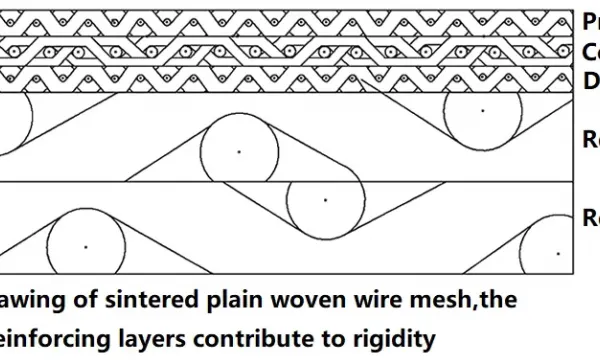 Read More
 -
How Stainless Steel Wire Mesh Filters Are Manufactured: From Wire Drawing to Industrial Application
October 10, 2026A stainless steel wire mesh filter is not simply “woven cloth cut to size.” The gap between a commodity mesh disc and a precision-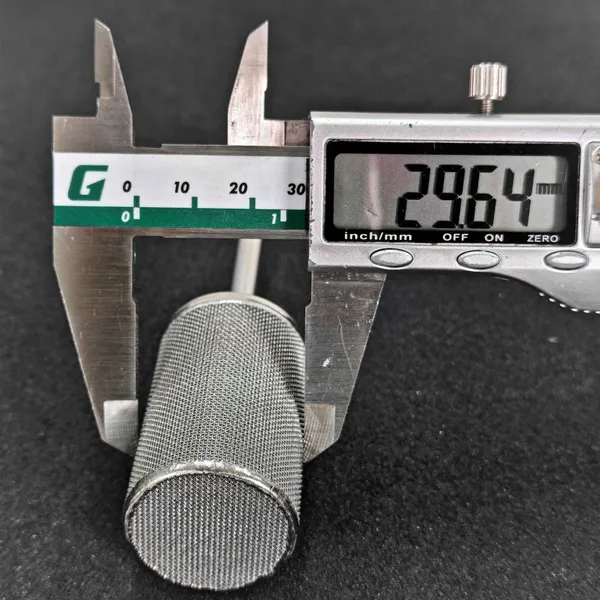 Read More
 -
304/316/316L Stainless Steel Wire Mesh Filters & Strainers: A Complete Selection Guide for Engineers
October 10, 2026Specifying a stainless steel wire mesh filter or strainer is not a “one-grade-fits-all” decision. A 304 mesh that performs flawles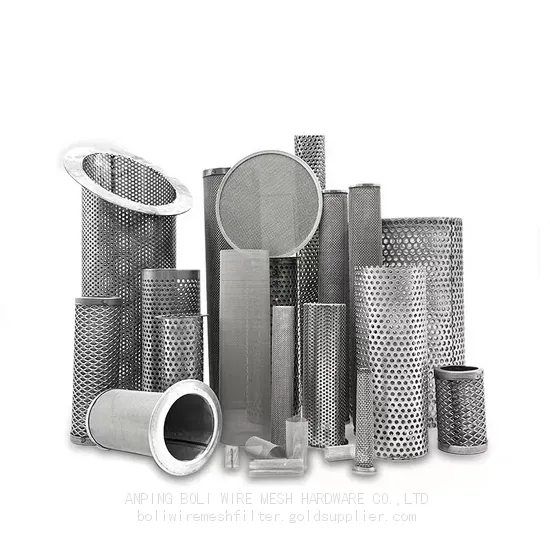 Read More
 -
304 vs 316 vs 316L Stainless Steel Wire Mesh Cloth: Which Grade Should You Specify for Your Application?
October 10, 2026304 vs 316 vs 316L Stainless Steel Wire Mesh Cloth: Which Grade Should You Specify for Your Application?Choosing the wrong stainle Read More

Contact Us

Recommended Products
-
 Stainless Steel Perforated Strainer .oil Mesh Filter Air Filter Mesh StrainerUS$ 1 - 20MOQ: 10 Bags
 -
AISI 304 316 316L Plain Weave Woven Stainless Steel Wire Netting For Oil Filter Air Filter MakingUS$ 1.0 - 10.0MOQ: 10 Square Feet
-
Factory Manufacturer Woven Stainless Steel Wire Mesh Screen on Sale Wholesale SUS 304 316 Stainless Steel Wire Mesh High Strength AISI304 Stainless Steel Filter Screen Reverse Dutch Wire Mesh 4 8 20 100 120 200 250 Mesh Stainless Steel Woven Filter MeshUS$ 1.0 - 10.0MOQ: 10 Square Feet
-
Qualified Plain Weave Woven Stainless Steel Wire Mesh Screen on Sale Wholesale SUS 304 316 Stainless Steel Wire Mesh High Strength AISI304 Stainless Steel Filter Screen Reverse Dutch Wire Mesh 4 8 20 100 120 200 250 Mesh Stainless Steel Woven Filter MeshUS$ 1.0 - 10.0MOQ: 10 Square Feet
-
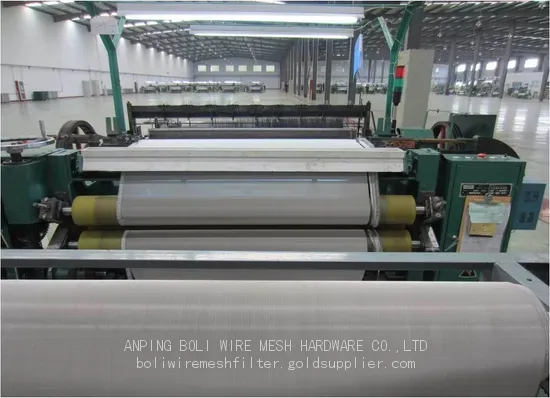
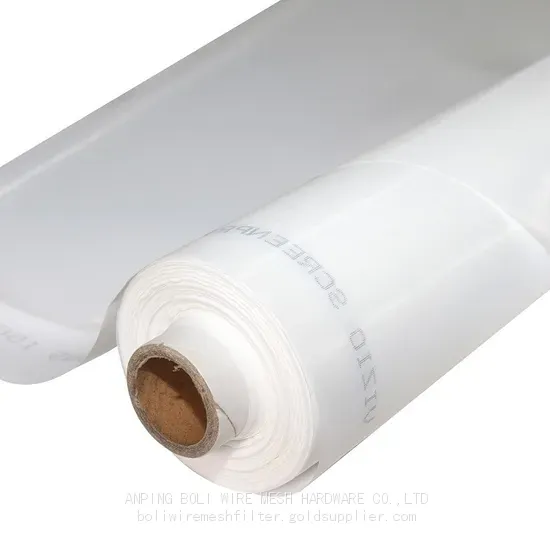
100% Food Grade Nylon Mesh White Color Nylon Mesh Cloth Food Grade 8um 10um 200um 60um 100um 600um Nylon MeshUS$ 1 - 20MOQ: 10 Square Meters
-
Nylon Filter Cloth Food Grade 8um 10um 200um 60um 100um 600um Nylon MeshUS$ 1 - 20MOQ: 10 Square Meters
-
SS304 316 Stainless Steel Perforated Filter Cartridge With Flange and Handle Accept OEM.factory SupplierUS$ 1 - 20MOQ: 10 Bags
-
Stainless Steel Wire Mesh Filter Cartridges Filter Cylinder Bucket Strainer Mesh for Beer FiltrationUS$ 1 - 20MOQ: 10 Bags
-
Wholesale SUS 304 316 Stainless Steel Wire Mesh High Strength AISI304 Stainless Steel Filter Screen Reverse Dutch Wire Mesh Stainless Steel Wire Cloth Mesh 4 8 20 100 120 200 250 300 325 635 2000 3500 Mesh Stainless Steel Woven Filter MeshUS$ 1.0 - 10.0MOQ: 10 Square Feet
-
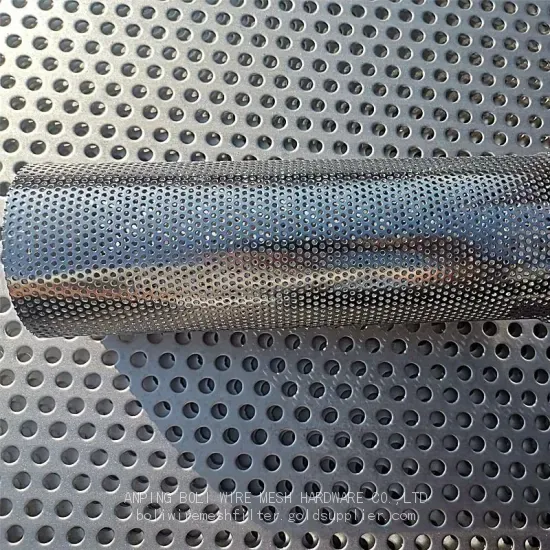
BOLI QUALITY Kitchen Accessories Sink Waste Filter Net Strainer Mesh Drain Strainer Drain Filter Strainer Basket Strainer BL021US$ 1 - 20MOQ: 10 Bags
-
Mesh Perforated Mesh Filter Bucket Strainer Basket/ Sintered Stainless Steel Wire Mesh Cone Filter/Perforated Wire Mesh Filter Bucket StrainerUS$ 1 - 20MOQ: 10 Bags
-
Nylon Filter Cloth 80-500 Mesh White Screen Filtration Food Grade Water Industrial ClothUS$ 1 - 20MOQ: 10 Square Meters
-
FDA Food Grade Nylon Filter Mesh/ 100 220 500 Micron Food Grade Nylon Filter Mesh ClothUS$ 1 - 20MOQ: 10 Square Meters
-
Polyester Steel Breaker Fabric Tear-Resistant Dipped Steel Cord Fabric Nylon Brass Coated Steel Cord for Making Tyre 2*0.30mm Belt/Tear-Resistant Dipped Steel Cord Fabric for Conveyor Belt Tear-Resistant Dipped Steel Cord Fabric for Conveyor BeltUS$ 1 - 200MOQ: 10 Kilometers
-
Tear-Resistant Dipped Steel Cord Fabric Nylon Brass Coated Steel Cord for Making Tyre 2*0.30mm Belt/Tear-Resistant Dipped Steel Cord Fabric for Conveyor Belt Tear-Resistant Dipped Steel Cord Fabric for Conveyor BeltUS$ 1 - 200MOQ: 10 Kilometers
-
BOLI Steel Cord Fabric for Conveyor Belt IW/TW/SW Belt Woven Steel Cable/STEEL Cord Fabric for Rubber Conveyor BeltsUS$ 1 - 200MOQ: 10 Kilometers
-
Top Quality Industrial Walkways Heavy Steel Bar Grating.Hot Dip Galvanized Bar Steel Grating .Top QualityUS$ 1 - 200MOQ: 10 Square Meters
-
BOLI -Stainles Steel Floor Steel Grating China GOLD Suppliers Dustproof Feature Upper and Lower Clip Steel Grating Used for Showcase GroundUS$ 1 - 200MOQ: 10 Square Meters
-
BBQ MESH Crimped Wire Mesh for Mining Crusher Screen Wholesale High Quality Stainless Steel Crimped Mesh Screen 304 316 316LUS$ 1 - 20MOQ: 10 Square Meters
-
Carbon Steel Strong Quality Crimped Wire Mesh for Mining Crusher Screen Wholesale High Quality Stainless Steel Crimped Mesh Screen 304 316 316LUS$ 1 - 20MOQ: 10 Square Meters